Marine Electronics Done Right
Today’s marine electronics are more capable than ever, but great equipment is only part of a great system. Proper equipment selection, installation, networking, configuration, and commissioning all play a critical role in how reliably your electronics perform when you need them most.At Bluewater System Design, we approach marine electronics as a complete system—not a collection of individual displays and components. From navigation, radar, AIS, sonar, communications, and autopilot to NMEA 2000 networking and system integration, we make sure every component is properly selected, installed, configured, and working together.Our advanced NMEA and ABYC training is backed by decades of real-world marine experience. That means we understand not only how to install the equipment, but how to troubleshoot it, integrate it with the rest of your vessel, and help you understand how to use it.Whether you’re upgrading a single display, troubleshooting a difficult network problem, or designing a completely new electronics package, our goal is the same: a clean, reliable, intuitive system you can trust every time you leave the dock.
Chartplotters & Multifunction Displays
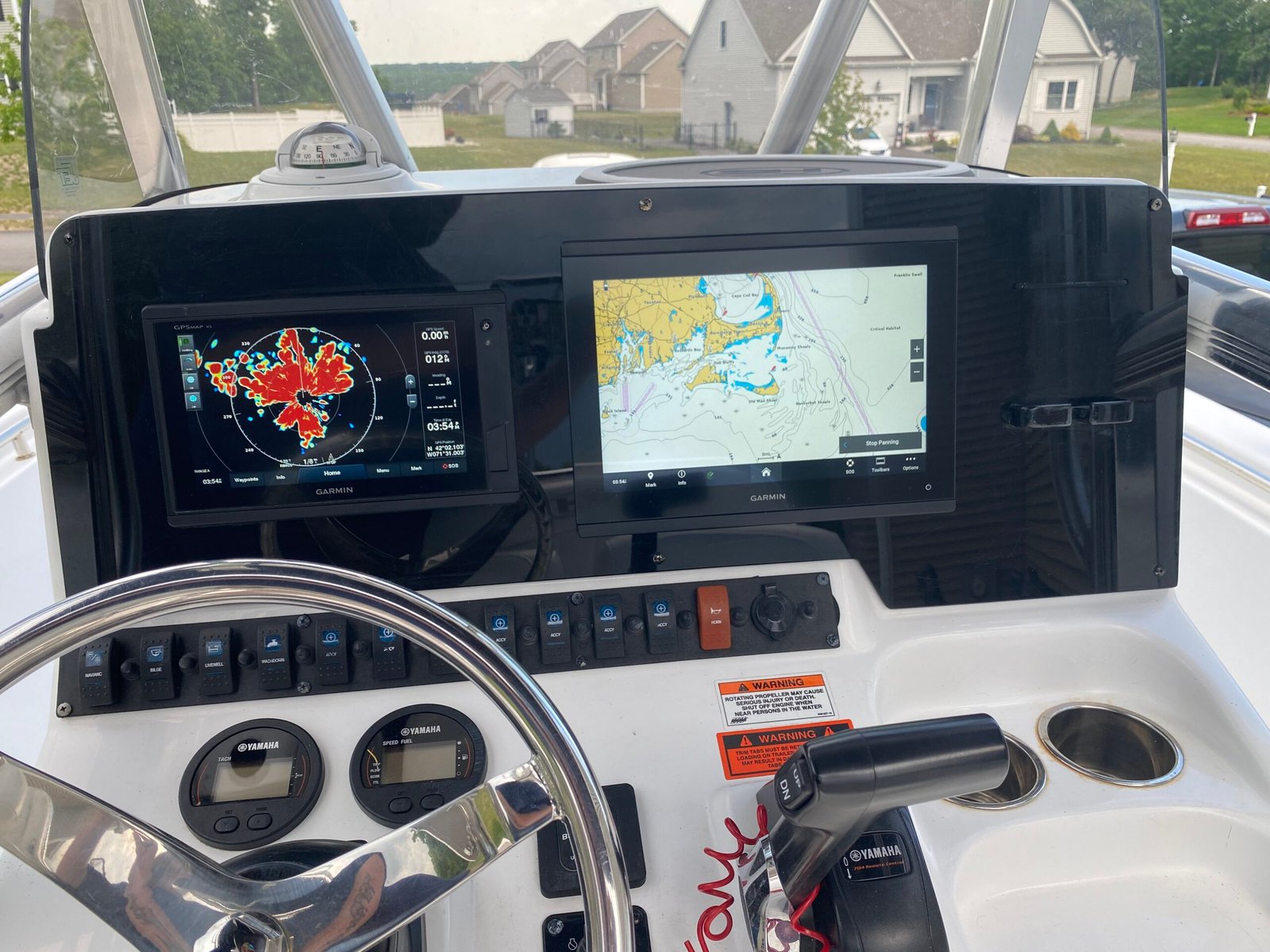
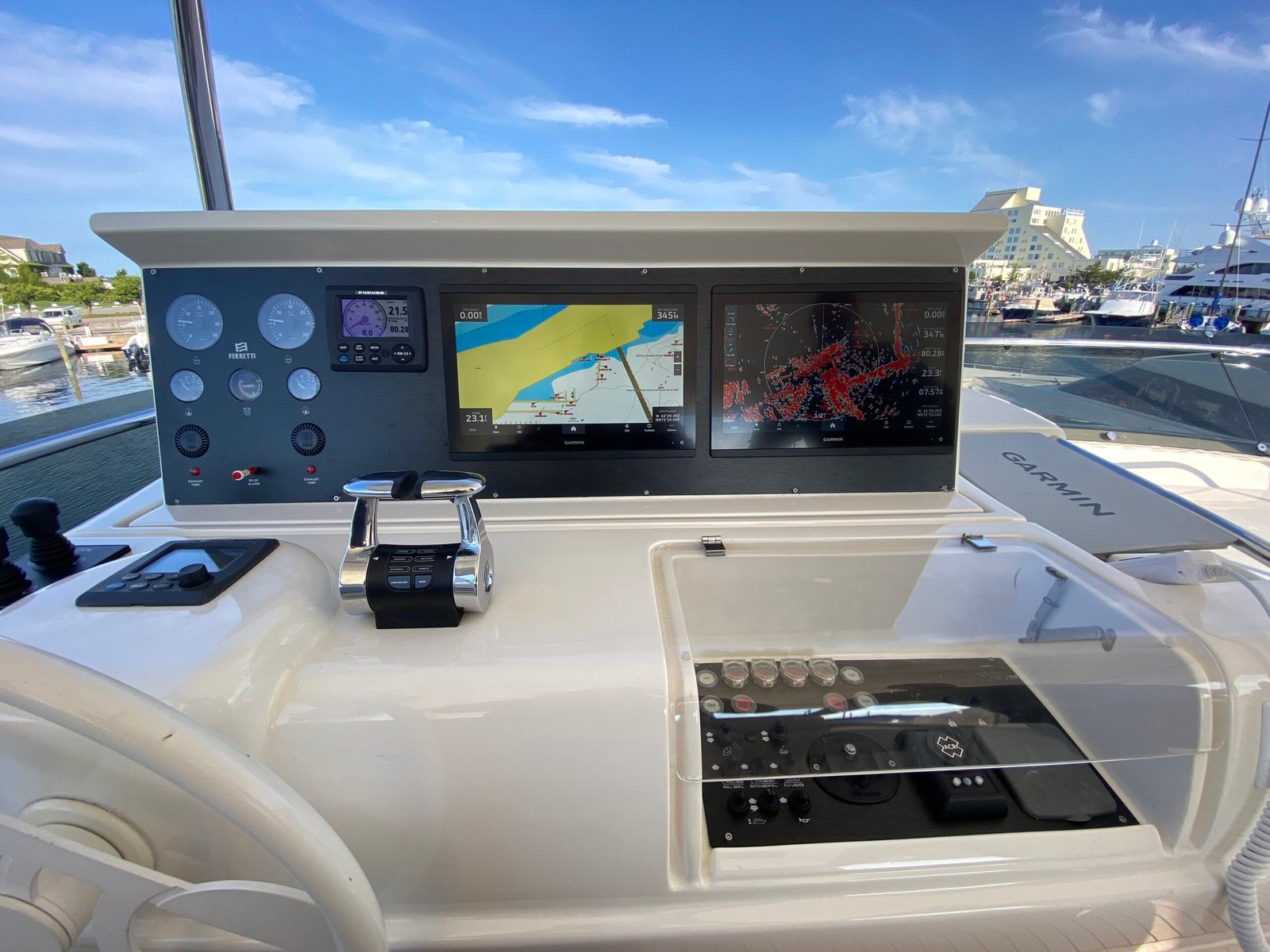
Today’s multifunction displays have become the central hub of the modern helm. Far more than simple chartplotters, they can bring navigation, radar, sonar, AIS, weather, cameras, engine data, digital switching, autopilot controls, and other vessel information together in one intuitive interface.
Choosing the right display is about more than screen size or brand. We consider how you use your boat, where and how far you travel, helm layout and viewing distance, available space, network architecture, existing equipment, and the information you want available at your fingertips. From a single chartplotter to a multi-display integrated helm, BlueWater can design a system that makes sense for both your vessel and the way you operate it.
Proper installation and integration are equally important. Our Advanced NMEA expertise allows us to look beyond the display itself and consider the entire network behind it. NMEA 2000, Ethernet, sensors, transducers, radar, AIS, autopilot, engines, and other connected equipment all need to communicate reliably for the system to perform as intended.
We handle the complete process—from equipment selection and helm layout through installation, networking, configuration, software updates, testing, and commissioning. We also take the time to help our customers understand their new equipment, because even the most capable electronics aren't particularly valuable if you don't know how to use them.
The result is a clean, thoughtfully integrated helm that puts the information you need where you need it—giving you greater situational awareness and confidence every time you get underway.
Radar
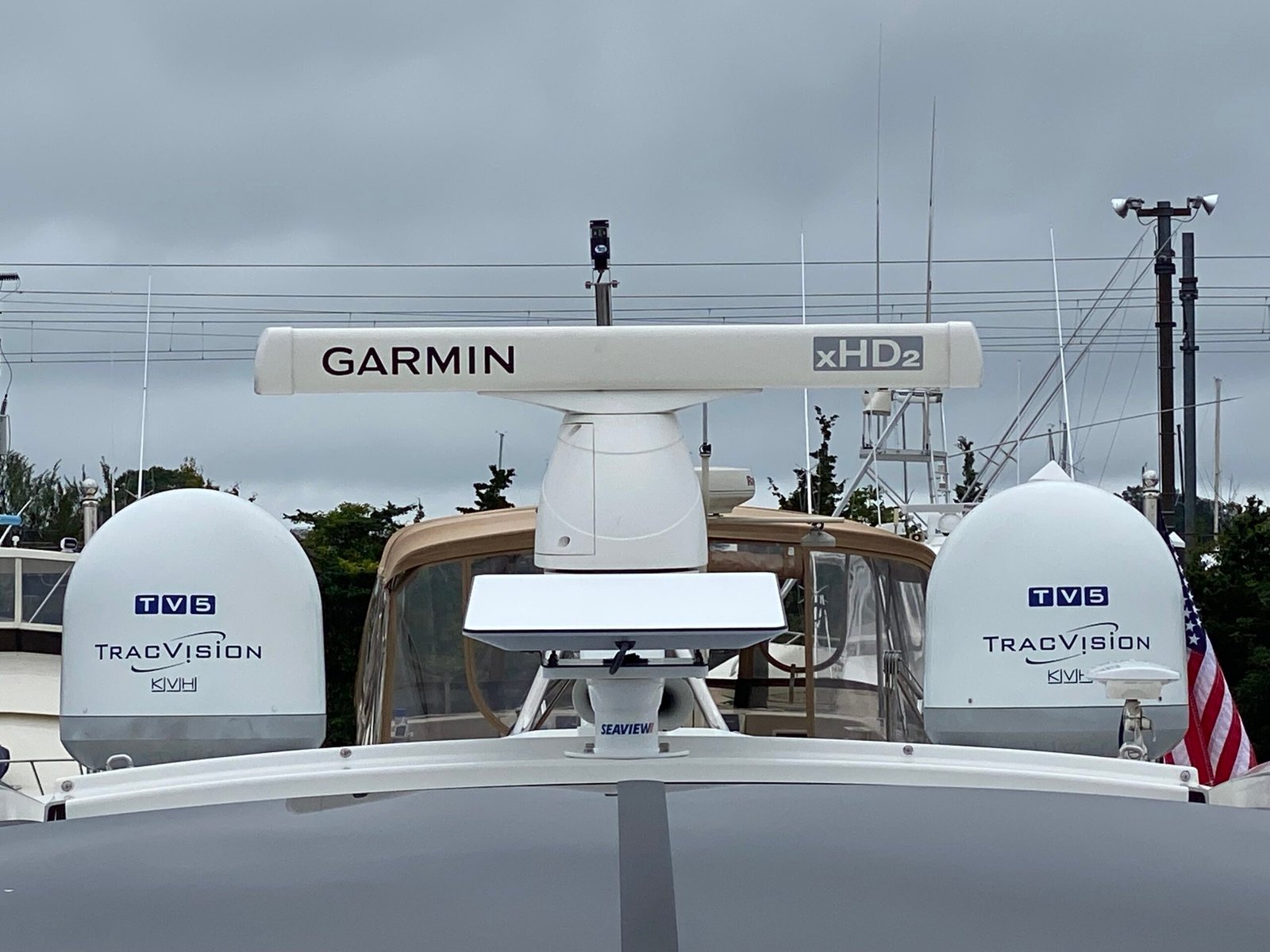
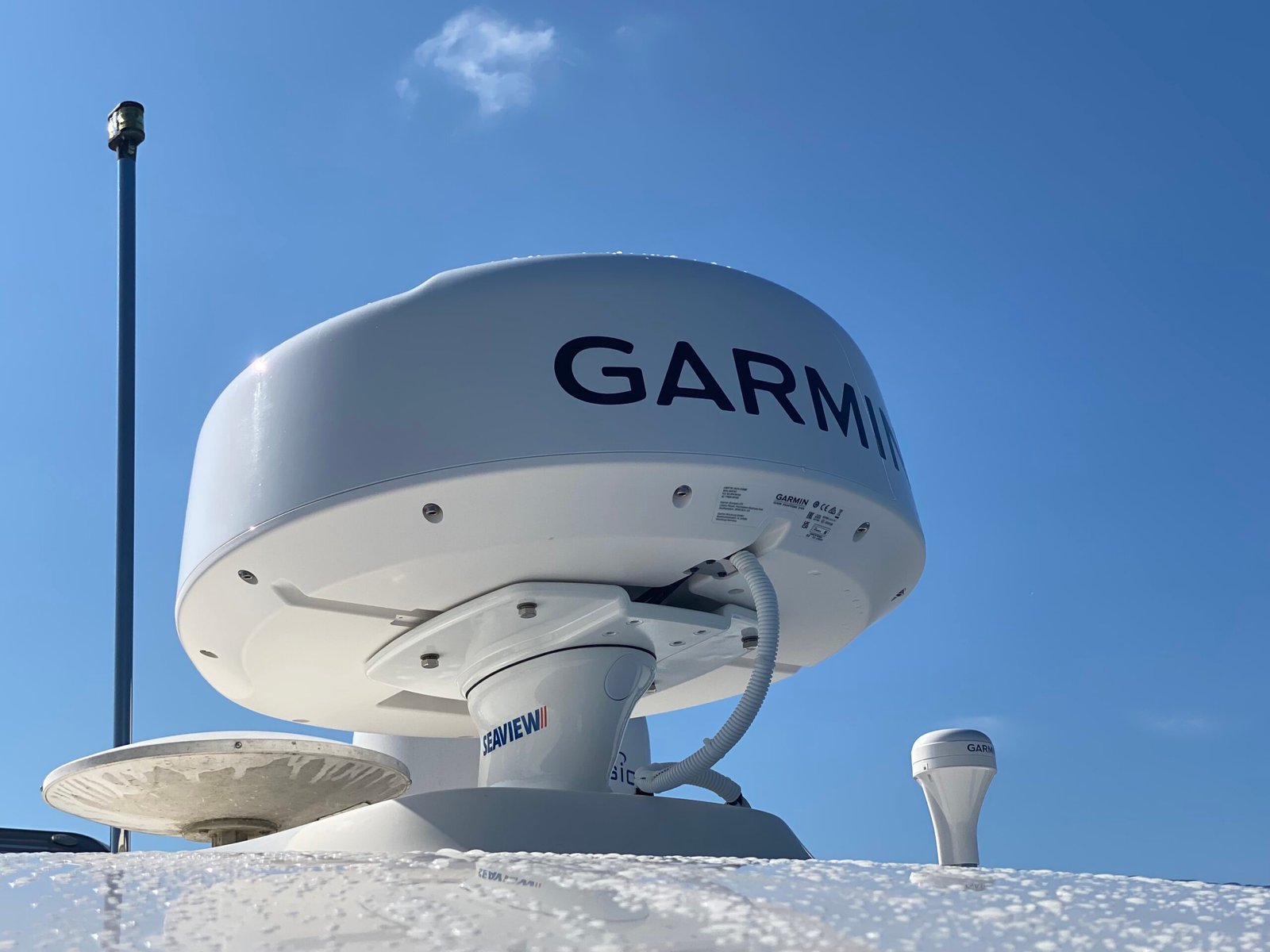
Radar is one of the most valuable tools aboard when visibility deteriorates, traffic gets complicated, or you simply need to know what is happening beyond what you can see from the helm. But getting the most from modern radar requires more than mounting a dome or array and connecting it to a display.
Bluewater provides complete radar solutions, from equipment selection and proper mounting to network integration, configuration, calibration, and sea-trial commissioning. We consider the vessel, operating environment, mounting height and location, desired range and target performance, and integration with the rest of your navigation system when specifying each installation.
Whether you’re adding radar for the first time, upgrading an aging system, or integrating radar into a complete electronics refit, our goal is simple: clear, dependable information that helps you navigate with confidence when visibility matters most.
Fishfinders, Sounders & Transducers
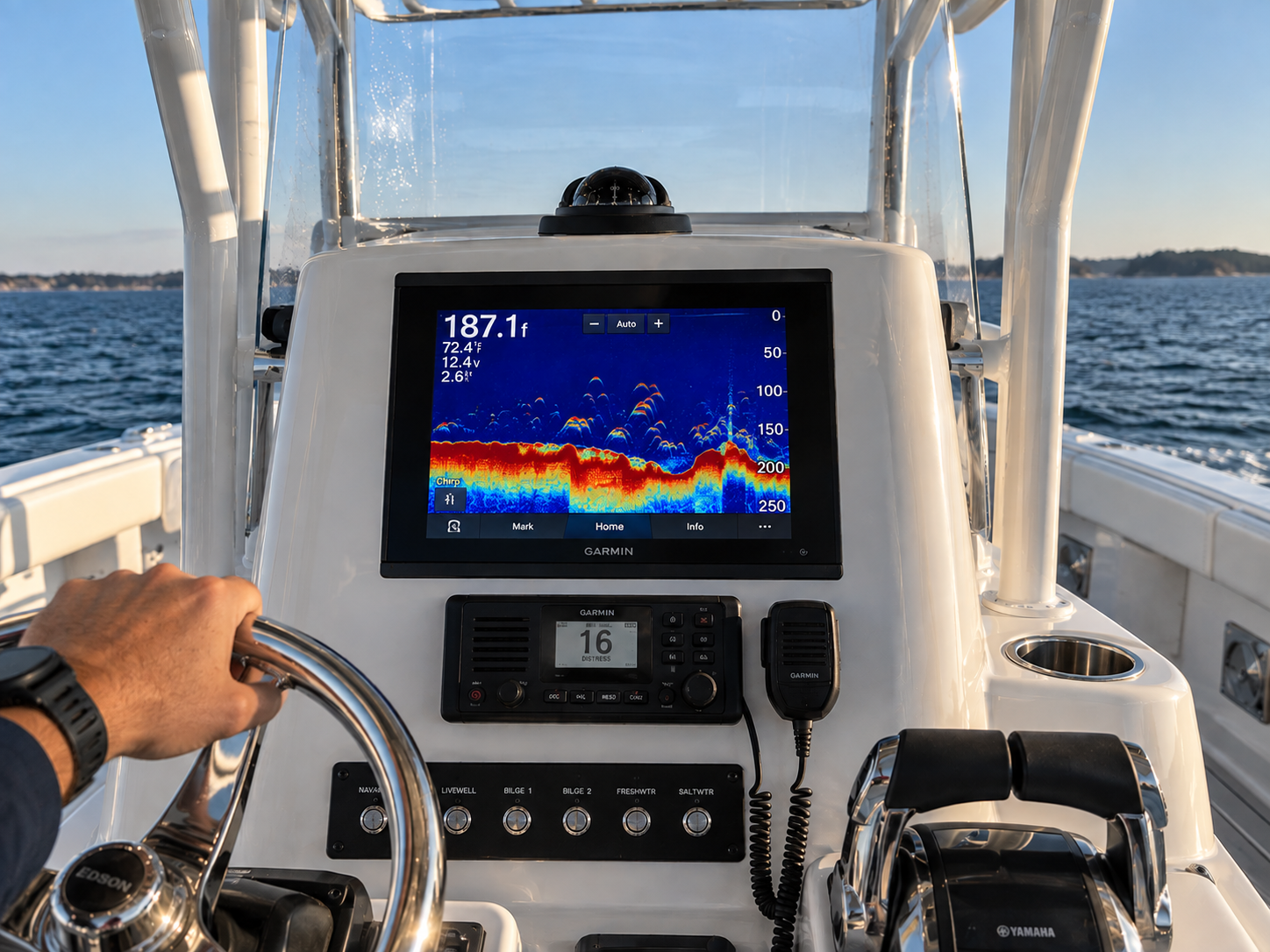
Whether you’re searching for fish, tracking bottom structure, navigating unfamiliar water, or simply want a better understanding of what’s beneath your boat, the performance of your sounder starts long before you turn on the display.
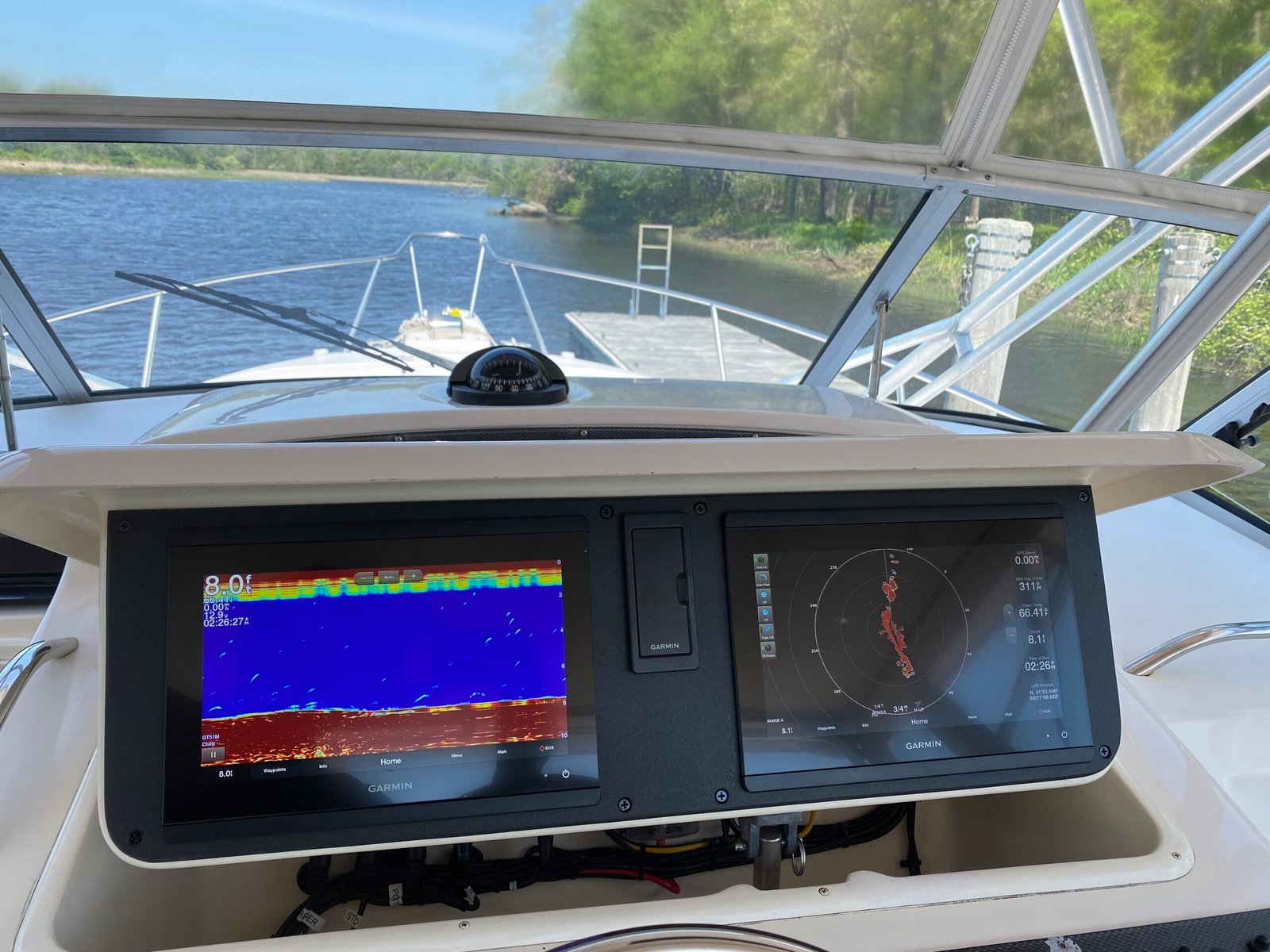
Today’s sonar systems offer an enormous range of capabilities—from traditional CHIRP sounders and high-frequency imaging to side-scanning, forward-looking, and other advanced sonar technologies. Bluewater can help determine which technology, frequency range, power level, and transducer configuration best fits your vessel and how you actually use it. We install both standalone sounders and fully networked systems, allowing sonar information to be shared across compatible multifunction displays throughout the vessel.
Just as important as selecting the electronics is selecting and installing the right transducer. Hull material, deadrise, mounting location, operating speed, frequency, power, and intended use can all dramatically affect performance. An expensive sounder paired with the wrong transducer—or one installed in turbulent or aerated water—will never deliver the performance it was designed to provide.
Bluewater is an Airmar Certified Installer, giving our customers access to knowledgeable transducer selection and installation along with Airmar’s extended warranty coverage available through certified installations. From traditional through-hull, in-hull and transom-mount installations to CHIRP and advanced multi-element transducers, we take the time to make sure the entire sonar system is properly specified, installed, configured, and tested.
The best sonar technology in the world can only show you what its transducer can see.
Autopilots
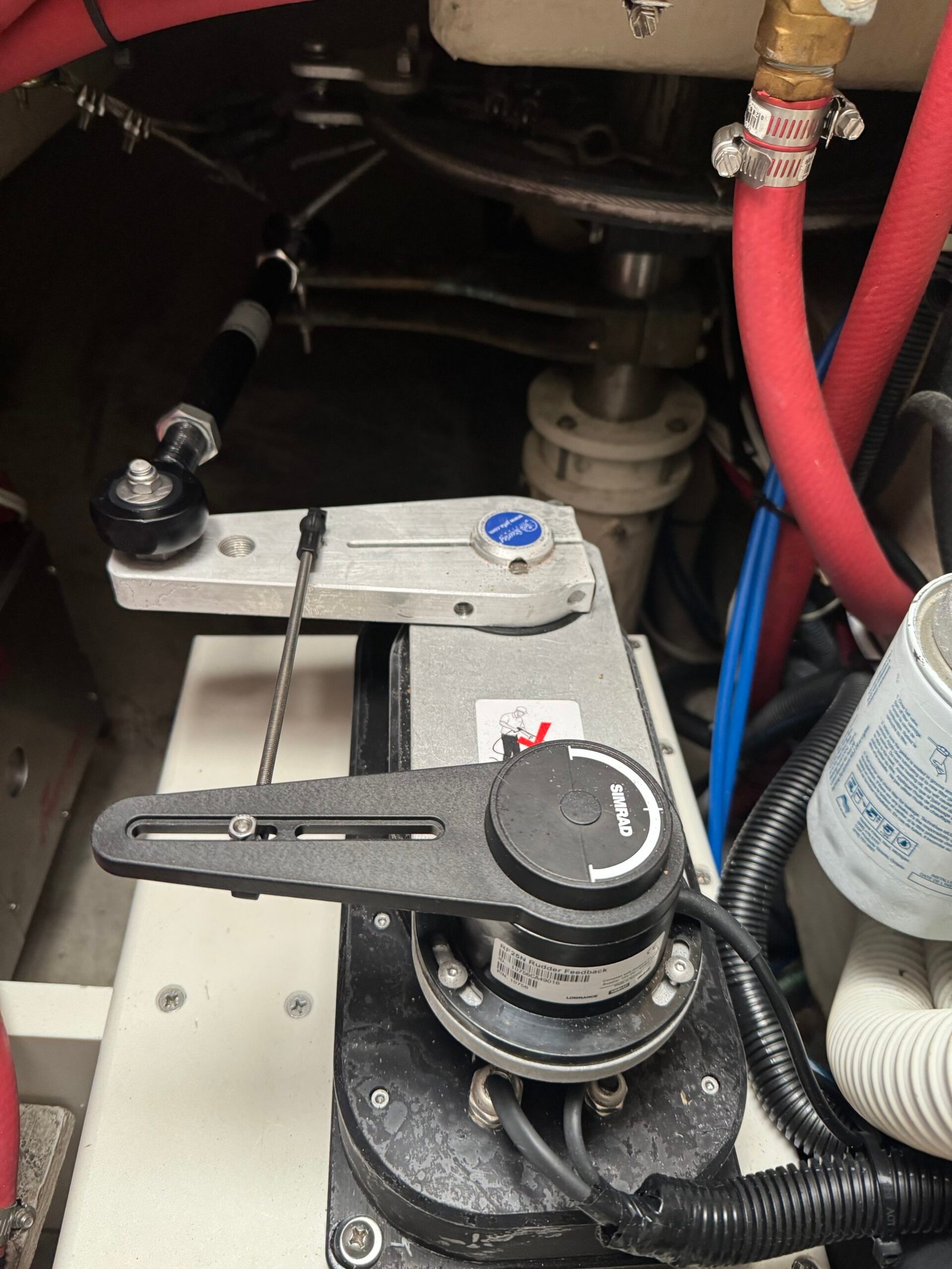
A properly designed autopilot should do more than hold a heading. It should work seamlessly with the vessel’s steering system, navigation electronics, sensors, and network to provide accurate, dependable control whether you’re making a long offshore passage, trolling, or simply reducing workload at the helm.
BlueWater designs, installs, upgrades, and troubleshoots complete autopilot systems for both power and sailing vessels. We consider vessel size and displacement, steering type, rudder characteristics, required drive capacity, available mounting locations, heading and motion sensors, network integration, and how the boat is actually operated when specifying a system.
Sailing vessels often require a more customized approach. Mechanical steering systems, limited access, unusual rudder arrangements, quadrant and tiller-arm configurations, and the loads created under sail can make selecting and installing the correct drive system considerably more involved. We can develop custom steering and drive solutions when an off-the-shelf installation isn't the right answer, integrating mechanical or hydraulic components with modern electronic autopilot controls to create a system specifically suited to the vessel.
Proper commissioning is just as important as the installation itself. Heading sensors, rudder feedback, drive parameters, vessel characteristics, network data, and steering response all need to be configured and tested correctly for an autopilot to perform the way it should.
Whether we're replacing an aging pilot, integrating one into a new electronics package, troubleshooting poor steering performance, or developing a custom solution for a sailing vessel, our focus remains the same: precise control, dependable operation, and a system you can trust when you take your hands off the wheel.
AIS
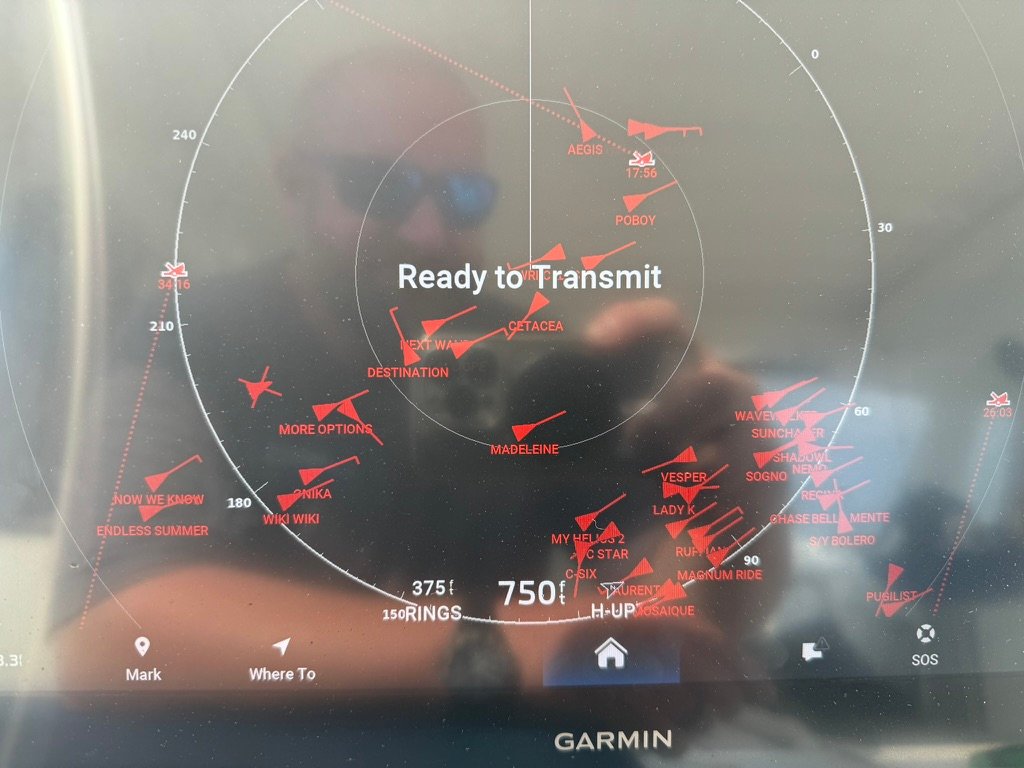
AIS has become an essential part of modern situational awareness, allowing vessels to electronically identify and track one another even when visual conditions make that difficult. Integrated with your chartplotter or multifunction display, AIS can show nearby commercial and recreational traffic along with vessel identity, position, course, speed, and other information—helping you better understand what is happening around you and identify potential conflicts before they become a problem.
BlueWater installs and integrates both AIS receivers and Class B transceivers, including systems designed for higher transmit power and more frequent reporting where appropriate. We can help determine the right equipment for your vessel, operating area, and cruising needs while integrating AIS information cleanly into your existing navigation system.
A proper AIS installation extends well beyond connecting the black box. VHF antenna selection and placement, antenna sharing or dedicated antennas, GPS/GNSS antenna location, power supply, NMEA 2000 or NMEA 0183 networking, programming, and configuration all affect how reliably the system communicates and how useful the information is at the helm.
We also troubleshoot existing AIS systems, including poor transmission or reception, network communication problems, antenna and coax issues, incorrect vessel information, and systems that simply aren't performing as expected.
Whether AIS is being added as a standalone safety upgrade or integrated into a complete navigation package, our goal is to provide reliable vessel identification and another valuable layer of situational awareness when you're underway.
VHF, SSB Radios & Communications
Reliable communications are a fundamental part of safety on the water. From routine conversations with marinas and other vessels to receiving weather information or making an emergency call, your communications equipment needs to work clearly and reliably when you need it.
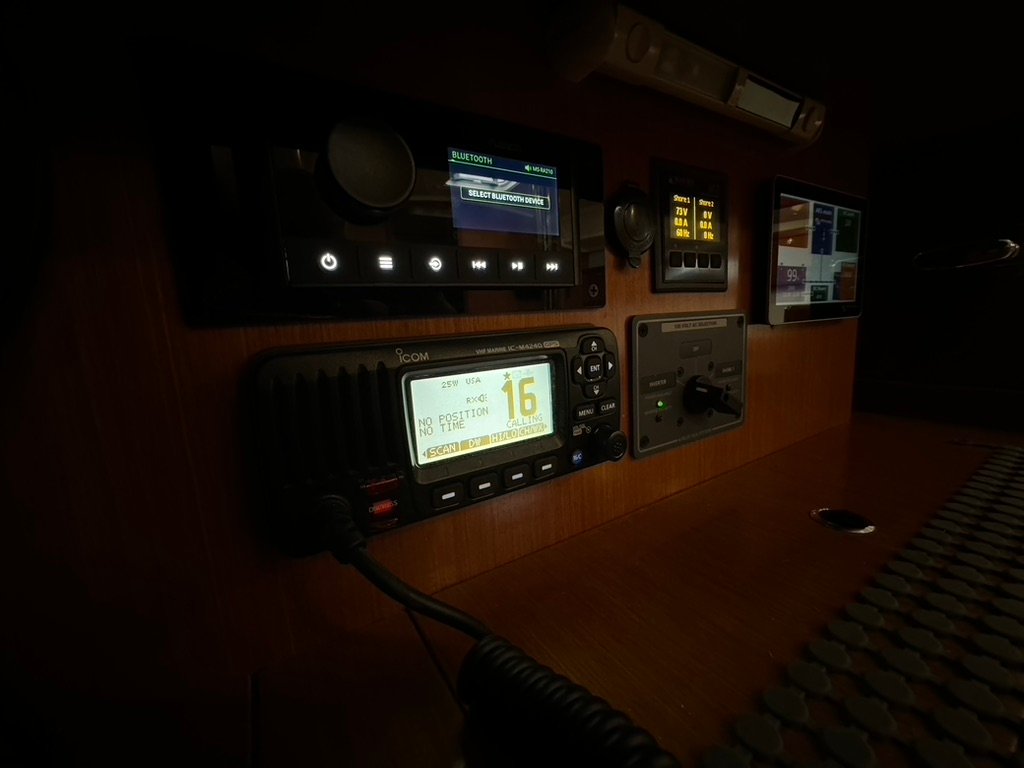
BlueWater installs, upgrades, integrates, and troubleshoots VHF radio systems, including DSC functionality, remote microphones, multiple-station installations, and integration with GPS and NMEA networks. Properly configured DSC-capable radios can transmit vessel identification and position information during a distress call, making correct programming and network integration an important part of the installation.
The radio itself, however, is only part of the system. Antenna selection, mounting location, height, coaxial cable, connectors, cable routing, and termination quality can dramatically affect VHF performance. We design the complete RF system with those factors in mind and use professional test equipment to verify installations and diagnose problems such as poor range, high reflected power, damaged coax, compromised connectors, and antenna faults.
For vessels traveling farther offshore, BlueWater can also design, install, service, and troubleshoot SSB marine radio systems. These installations require careful consideration of transceivers, tuners, antenna systems, grounding and counterpoise arrangements, power requirements, interference, and the vessel itself to achieve dependable long-range communications.
Whether you're adding a single VHF, building a multi-station communications system, troubleshooting poor radio performance, or outfitting a vessel for offshore cruising, we focus on the entire communications system—not simply the equipment at the helm.
Because when you need to make the call, your communications system needs to be heard.
Marine Cameras & Thermal Imaging
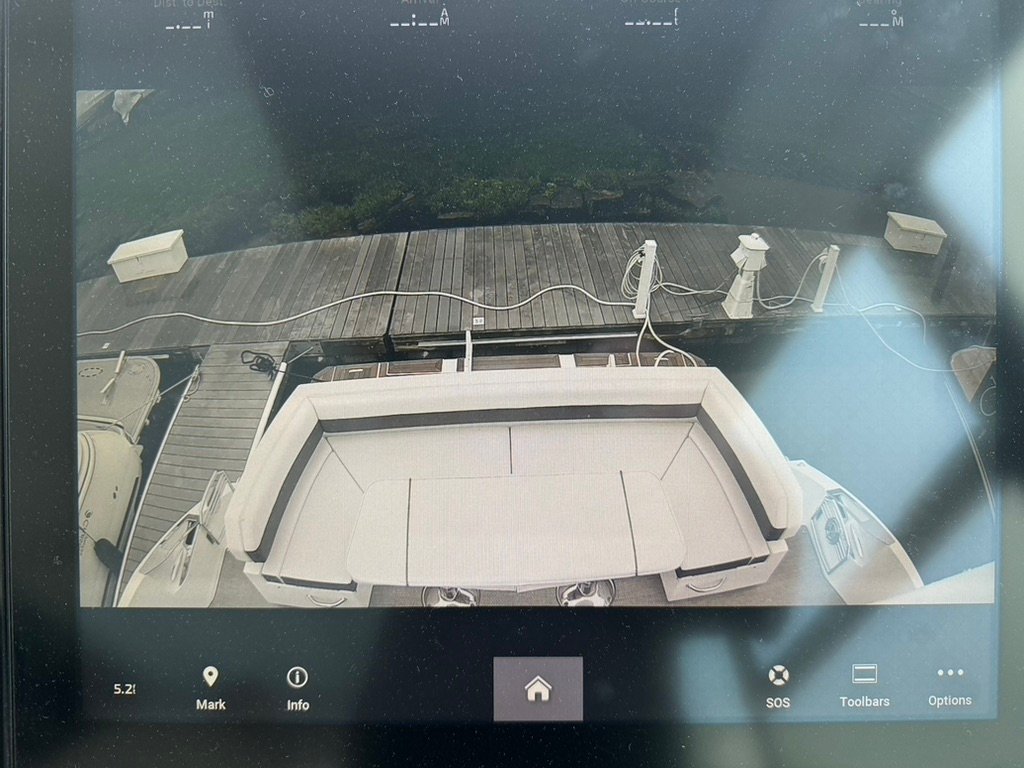
Modern camera systems provide another set of eyes aboard your vessel, giving you visibility into areas that are difficult—or sometimes impossible—to monitor from the helm. BlueWater designs and installs marine camera systems for engine rooms, machinery spaces, decks, cockpits, boarding areas, and stern or backup views, with video integrated directly into compatible multifunction displays and other onboard systems.
Engine-room cameras can provide continuous visual monitoring of machinery while underway, helping operators identify leaks, smoke, unusual movement, or other developing problems without leaving the helm. Deck and exterior cameras can improve visibility around larger vessels, while stern and backup cameras provide an especially useful view when docking, maneuvering in tight quarters, or monitoring tenders and equipment.
For visibility beyond conventional cameras, FLIR thermal imaging systems allow operators to detect heat rather than relying on visible light. Thermal cameras can significantly improve awareness at night and in challenging conditions, helping identify vessels, navigation hazards, people in the water, shoreline features, and other objects that may be difficult to see with the naked eye.
BlueWater can integrate fixed and pan/tilt thermal cameras with compatible chartplotters and multifunction displays, providing control and imagery directly at the helm. We consider camera placement, field of view, blind spots, network architecture, power, mounting, cable routing, and integration when designing each system.
From a simple engine-room camera to a vessel-wide monitoring system or advanced FLIR thermal installation, we approach cameras the same way we approach every onboard system: thoughtfully designed, professionally installed, and integrated so the technology is genuinely useful when you need it.
Starlink
Reliable high-speed internet has fundamentally changed what is possible aboard a boat. From staying connected with family and work to accessing weather, entertainment, communications, and vessel information, Starlink has become an important part of the modern onboard experience.
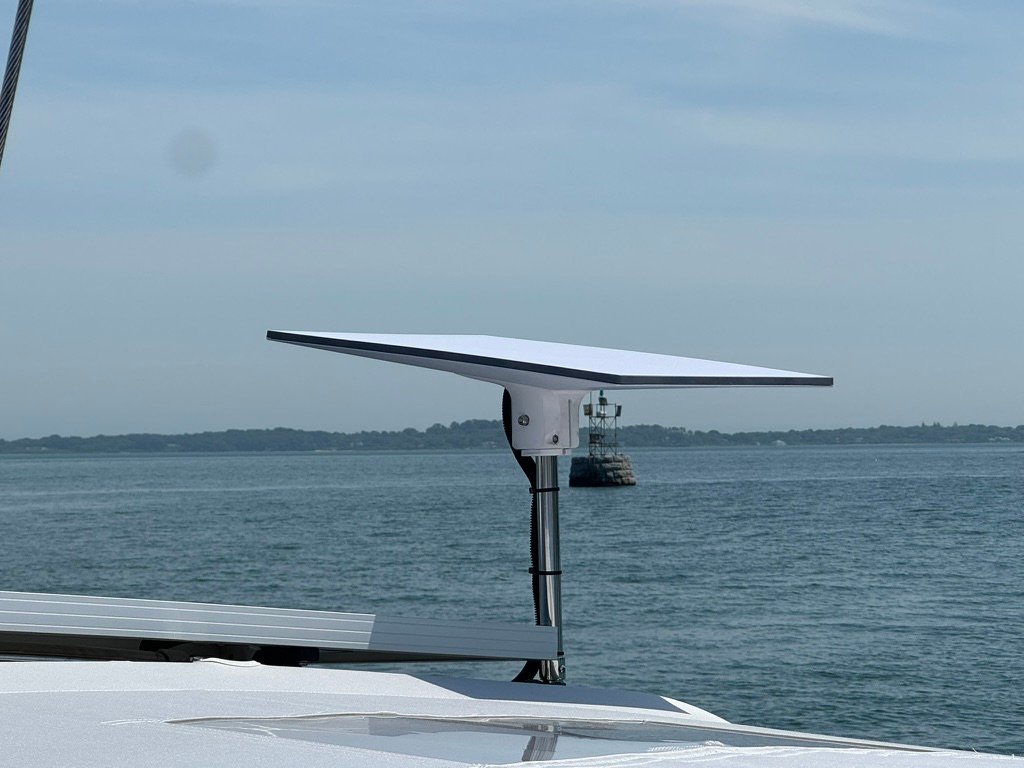
BlueWater provides professional Starlink installation and integration for both AC- and DC-powered systems. We consider antenna location, clear view of the sky, cable routing, power requirements, network equipment, Wi-Fi coverage, weather protection, and the vessel’s existing electrical system to create an installation that is clean, reliable, and appropriate for the boat.
Traditional AC installations can integrate Starlink with the vessel’s inverter or shore/generator-powered AC system, while DC installations can eliminate unnecessary DC-to-AC conversion and allow the system to operate directly from the vessel’s battery system. For cruising vessels—particularly those relying heavily on lithium batteries, solar, alternator charging, or other renewable generation—a properly designed DC installation can reduce conversion losses and simplify continuous operation away from shore power.
We can also integrate Starlink into a larger onboard network, including routers, access points, Ethernet-connected equipment, and vessel-wide Wi-Fi, providing reliable connectivity beyond the helm or salon and throughout the areas where you actually need it.
As with every system we install, the details matter. Proper power protection, appropriately sized wiring, secure connections, thoughtful equipment placement, clean cable routing, and future serviceability are all part of the installation.
Whether you're looking for a straightforward AC installation or a fully integrated DC-powered onboard network, we build Starlink systems designed around the way you use your boat.
Marine Audio & Entertainment
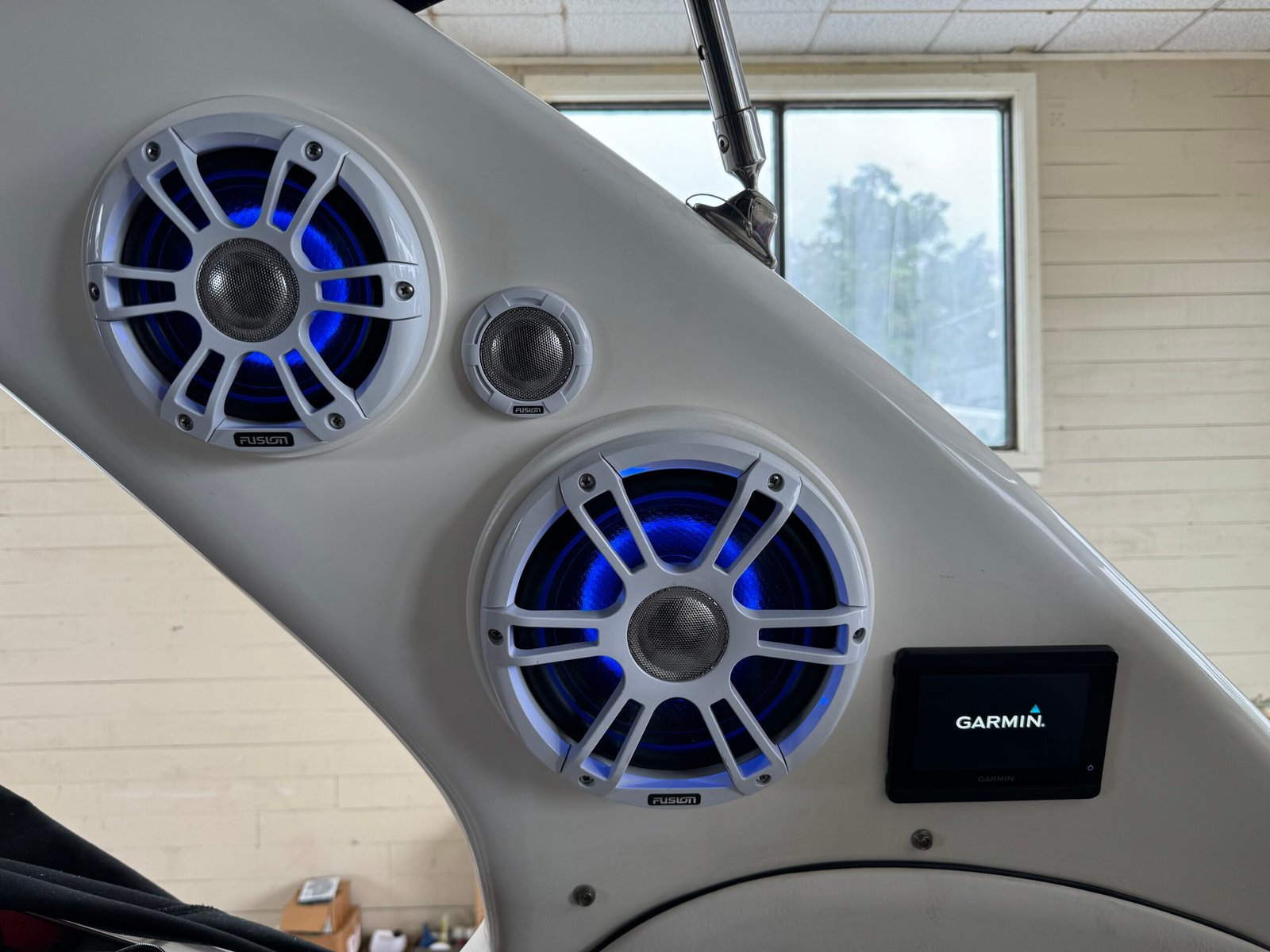
A great marine audio system should sound the way you want it to. For some owners, that means clean, accurate music throughout the boat. For others, it means a system with enough power to bring the party to the sandbar. Often, it means having both.
BlueWater designs and installs marine audio systems around the vessel, listening preferences, and how each space is actually used. From simple stereo upgrades to multi-zone systems with amplifiers, subwoofers, premium speakers, and independent volume control, we can build systems ranging from high-output entertainment to balanced, high-quality sound reproduction.
Proper system design makes a significant difference. Speaker selection and placement, enclosure characteristics, amplifier sizing, impedance, power distribution, wiring, tuning, and acoustic differences between interior and exterior spaces all affect the finished result. We focus on creating a complete system rather than simply adding more speakers and more power.
Modern audio also allows extensive integration. We can incorporate Bluetooth and wireless streaming, network-connected audio, multifunction-display control, remote controls, multiple audio zones, televisions, and other onboard entertainment equipment into a system that's easy to operate from around the vessel.
Marine installations also demand equipment and installation practices capable of surviving moisture, salt, vibration, UV exposure, and years of use. Wiring, connections, mounting, circuit protection, and equipment location receive the same attention to detail as the audio components themselves.
Whether you want concert-quality reproduction underway, background music throughout the boat, or enough volume to be heard across the sandbar, we'll design the system to sound the way you want it—and install it to last.
Ready To Get Your Project Started?
A better system starts with understanding your boat, your goals, and how you actually use it.
1
Tell Us About Your Boat
Share your vessel, your goals, and what you'd like to improve.
2
Define Your Project
We'll review the existing system, discuss your options, and determine the right scope for your project.
3
Design The Solution
We'll develop a solution around safety, reliability, serviceability, and the way you use your boat.
4
Build It Right
From equipment selection through installation, commissioning, and documentation, we'll make sure the system is finished properly.